Aeonvaults, as a fintech-based company, invests in crude oil, electricity, and natural gas through various financial instruments such as futures contracts, options, exchange-traded funds (ETFs), and commodity trading funds (CTFs). However, it's important to note that investing in these commodities involves inherent risks due to their volatile nature.
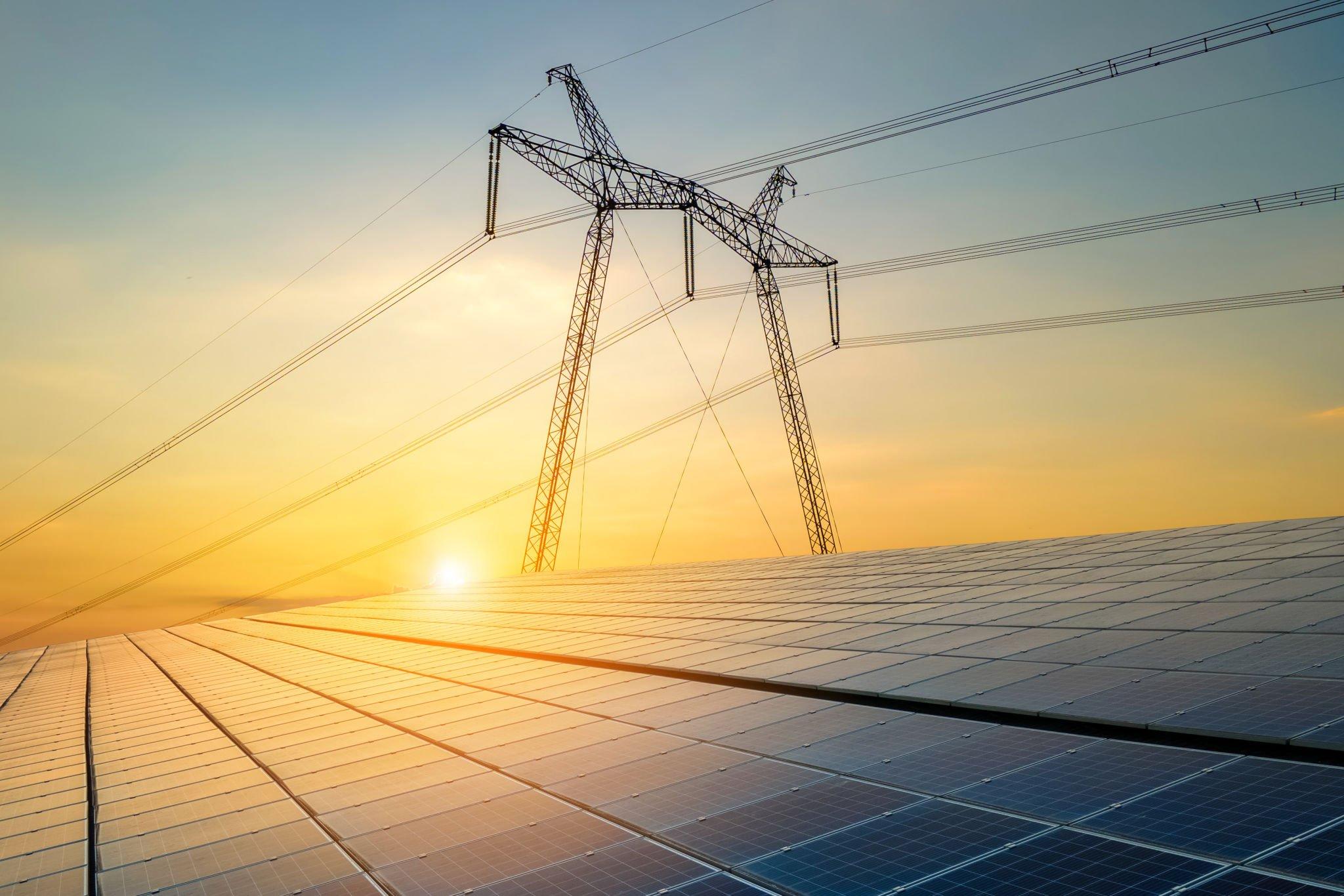
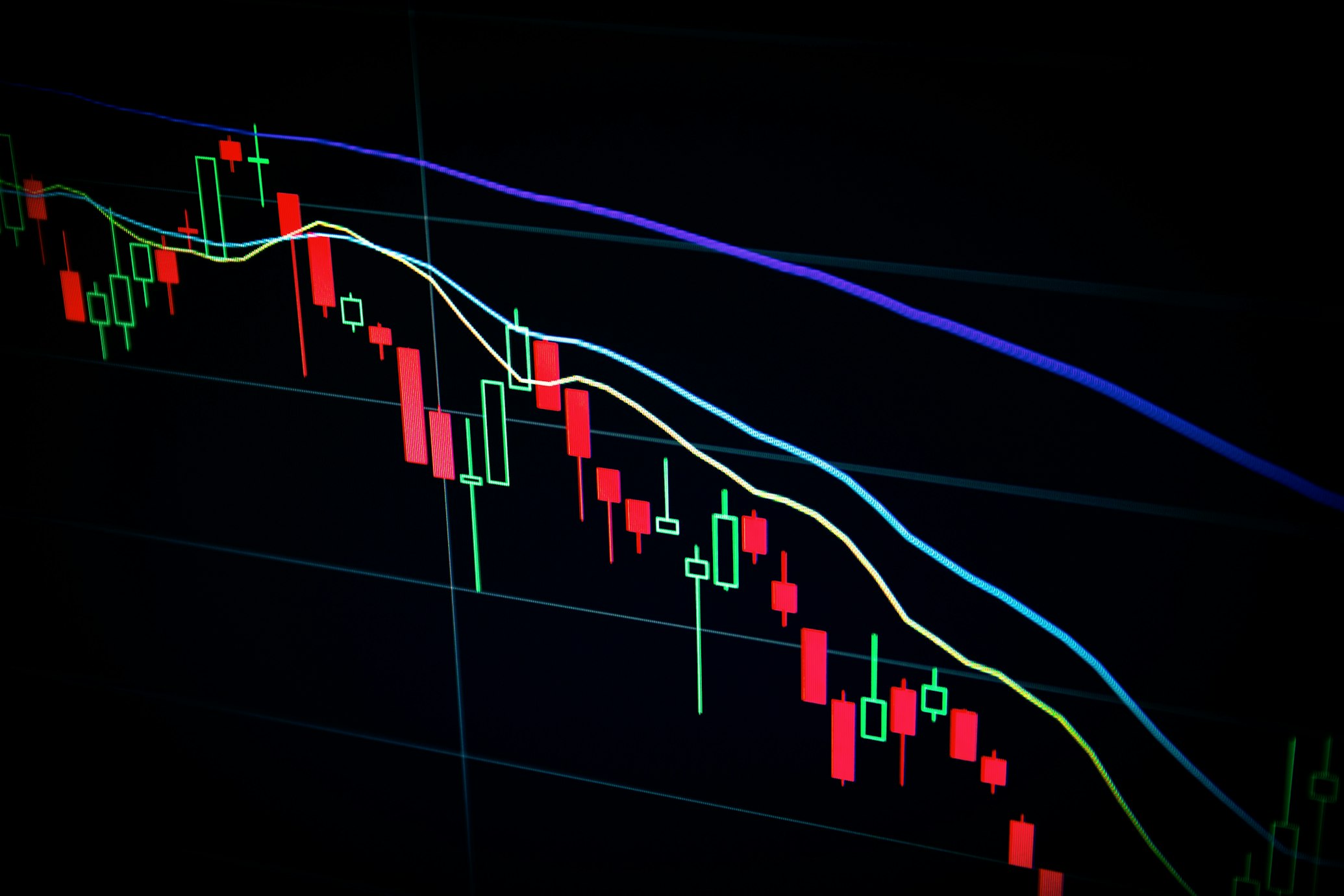
To ensure proper risk management, Aeonvaults follows these key strategies when investing in crude oil, electricity, and natural gas.
We invest in a diversified portfolio of commodities, not focusing solely on one type. This minimizes the impact of price fluctuations in any single commodity.
Our analysts closely monitor markets and track developments that could affect commodity prices, enabling informed decisions and strategy adjustments.
We conduct thorough risk analysis before investing, assessing supply/demand, geopolitical events, weather patterns, and other economic indicators.
We use derivatives like futures and options to hedge against adverse price movements, mitigating risk and ensuring more stable returns.
We implement stop-loss orders to limit losses when commodity prices move against our positions. This reduces the impact of unexpected events and caps potential losses. While these strategies help manage risk in our crude oil, electricity, and natural gas investments, we emphasize that all investments carry inherent risk that cannot be completely eliminated.
Energy trading involves products like crude oil, electricity, natural gas and wind power. Since these commodities often fluctuate abruptly, they can be attractive to speculators. Energy trading involves trading the different energy commodities like oil, natural gas, heating oil, gasoline, or even electricity. Energy commodities tend to be quite volatile, making large price swings. They also tend to trend quite well. Both of these characteristics make energy trading the choice for traders who are looking for large profit potential. When adding in the leverage possible with CFDs on energy commodities, these are an ideal choice for the aggressive trader.
Energy trading began in 1978 with the first oil futures contract on the New York Mercantile Exchange (NYMEX). During the 1980s and 1990s, the International Petroleum Exchange (IPE) and NYMEX successfully launched futures contracts for oil and gas. These successful futures exchanges survived the Enron et al. energy-trading debacles of recent years and demonstrated their capable financial performance. Today, oil companies and financial houses provide the necessary trading liquidity through market-making on both the established government-regulated futures exchanges and off-exchange energy derivatives markets, which can clear on the futures exchanges. These companies know how to manage their financial energy risks and have the risk-management skills that will be deployed increasingly in the emerging global environmental markets.
Financial risk is managed on established energy futures exchanges, where past trading debacles have shown that financial performance is vital. Trading CFDs with Aeonvaultsallows flexibility—profiting from price movements without owning the asset.
Petroleum, or crude oil, is a fossil fuel formed from ancient organic material. It contains hydrocarbons and is found in deep rock layers. Once refined, it yields hundreds of petrochemical products.
Oil prices fluctuate daily and are driven by futures contracts. Traders agree on a future delivery price, with profit or loss based on actual vs projected prices by the contract’s date.